
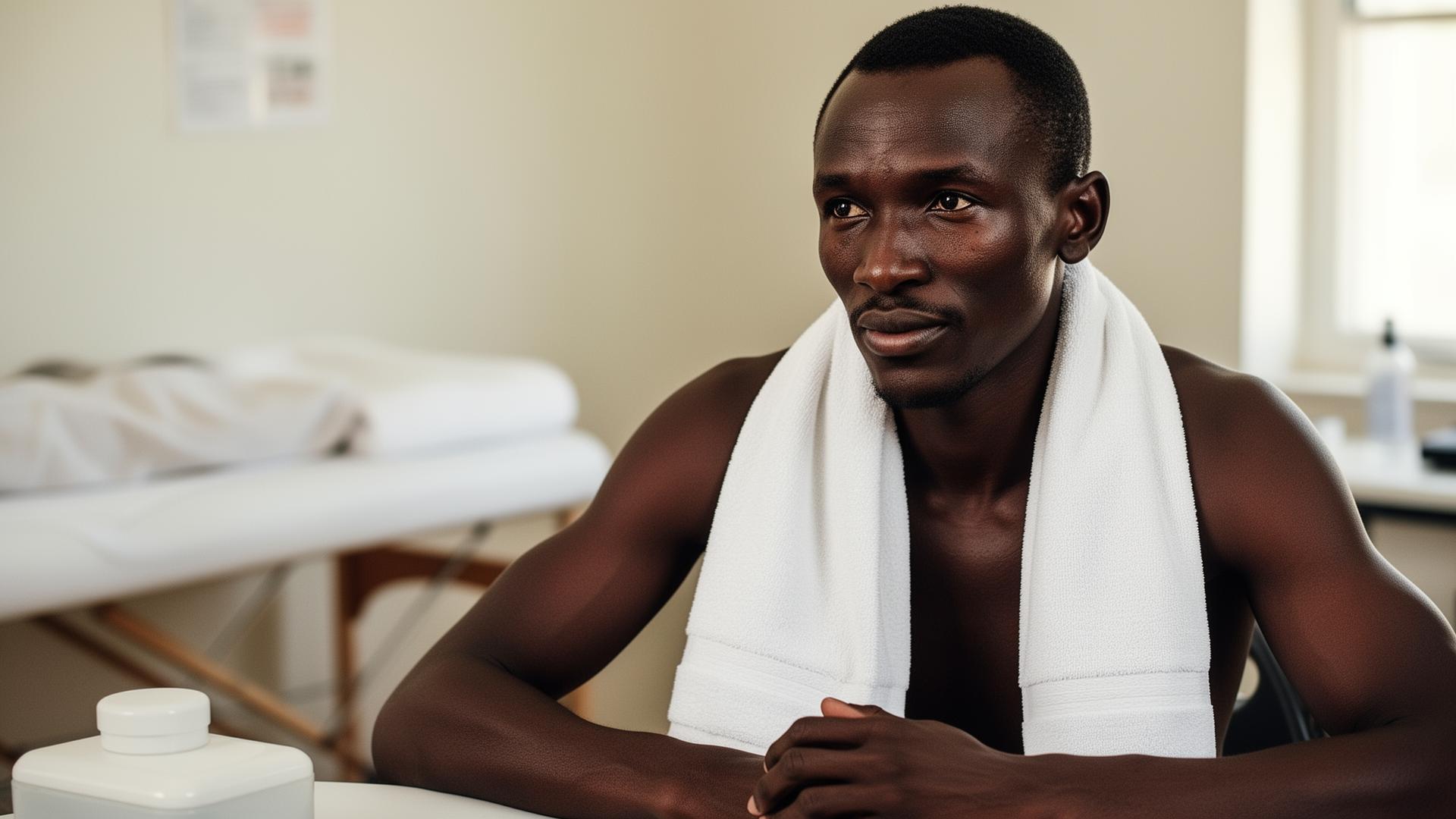
Heat and cold are both powerful tools — but they are not the same tool. Cold is usually used to reduce soreness and acute discomfort. Heat is used to relax muscles and reduce stiffness. Contrast combines both.
Injury vs soreness
Normal training soreness: muscle heaviness, delayed soreness, stiffness, fatigue. Injury: sharp pain, swelling, bruising, instability, pain that changes movement or gets worse. If you suspect a serious injury, get medical assessment — do not rely on sauna or ice bath.
Cold plunge for recovery
Cold water immersion may help with perceived soreness, post-training heaviness, recovery feeling and mental reset. Best used after endurance training, sports events and during heavy training blocks. May be less ideal immediately after strength training if your main goal is hypertrophy — space cold exposure several hours away from heavy lifting.
Sauna for recovery
Sauna may support muscle relaxation, stiffness reduction, stress relief, sleep routines, circulation and decompression. Best used on recovery days, after light training or mobility work, and in evening wind-down routines.
Heat for stiffness
Heat is often more useful for stiffness than for fresh acute injury — tight back, stiff hips, sore but not swollen muscles. Avoid heat on fresh swelling or acute injuries unless cleared by a professional.
Cold for acute irritation
Cold can be useful when something feels hot, irritated or freshly strained. Use short exposure and don't return to intense movement immediately.
Contrast therapy for recovery
Useful for general soreness, heavy legs after training and full recovery rituals. A simple format: 10–15 minutes heat, 1–3 minutes cold, repeat 2–3 rounds.
Sport-by-sport notes
- Runners: cold plunge after long runs and intervals; sauna on easier days.
- Footballers: cold immersion after matches; sauna for relaxation and sleep.
- Gym users: avoid cold immersion immediately after hypertrophy lifting if growth is the priority.
- Hyrox / CrossFit: contrast therapy helps full-body fatigue — don't overdo it in peak weeks.
Warning signs
Stop and seek medical advice for sharp pain, dizziness, chest pain, fainting, severe swelling, persistent numbness, breathing difficulty, confusion or worsening symptoms.
NiceBaths takeaway
NiceBaths systems are wellness and recovery tools, not medical devices. Used correctly, they support recovery routines, relaxation, soreness management and premium experiences. Explore the full product range or our recovery workshops.
Build a cold plunge, sauna or contrast setup.
Training hard in Nairobi or running a gym, team, spa or lodge? WhatsApp NiceBaths Kenya.
For businesses → →Frequently asked questions
Should I ice an acute injury?+
Short cold exposure can help acute irritation. For serious injury (sharp pain, swelling, instability) get medical assessment.
Heat or cold for stiffness?+
Heat usually wins for stiffness. Cold is better for fresh inflammation and post-training soreness.
References
- Bleakley CM et al. Cold-water immersion (cryotherapy) for preventing and treating muscle soreness after exercise. Cochrane Database of Systematic Reviews, 2012.
- Roberts LA et al. Post-exercise cold water immersion and resistance training adaptation. Journal of Physiology, 2015.
- Bieuzen F, Bleakley CM, Costello JT. Contrast water therapy and exercise-induced muscle damage: systematic review and meta-analysis. PLOS ONE, 2013.
- Hussain J, Cohen M. Clinical effects of regular dry sauna bathing. Evidence-Based Complementary and Alternative Medicine, 2018.
- General sports medicine guidance from Mayo Clinic and Cleveland Clinic on heat, cold, strains and recovery.
Not sure where to start?
Unsure which setup is right for you?
Take the 60-second recovery quiz for a personalized plan.
Take the 60-second recovery quiz →Talk to NiceBaths
Questions about “Ice Baths, Saunas and Injury Recovery: What Helps, What Doesn't, and When to Use Heat or Cold”?
Message us on WhatsApp — your note is pre-filled with a reference to this article so we can help you faster.
WhatsApp NiceBaths about this article