
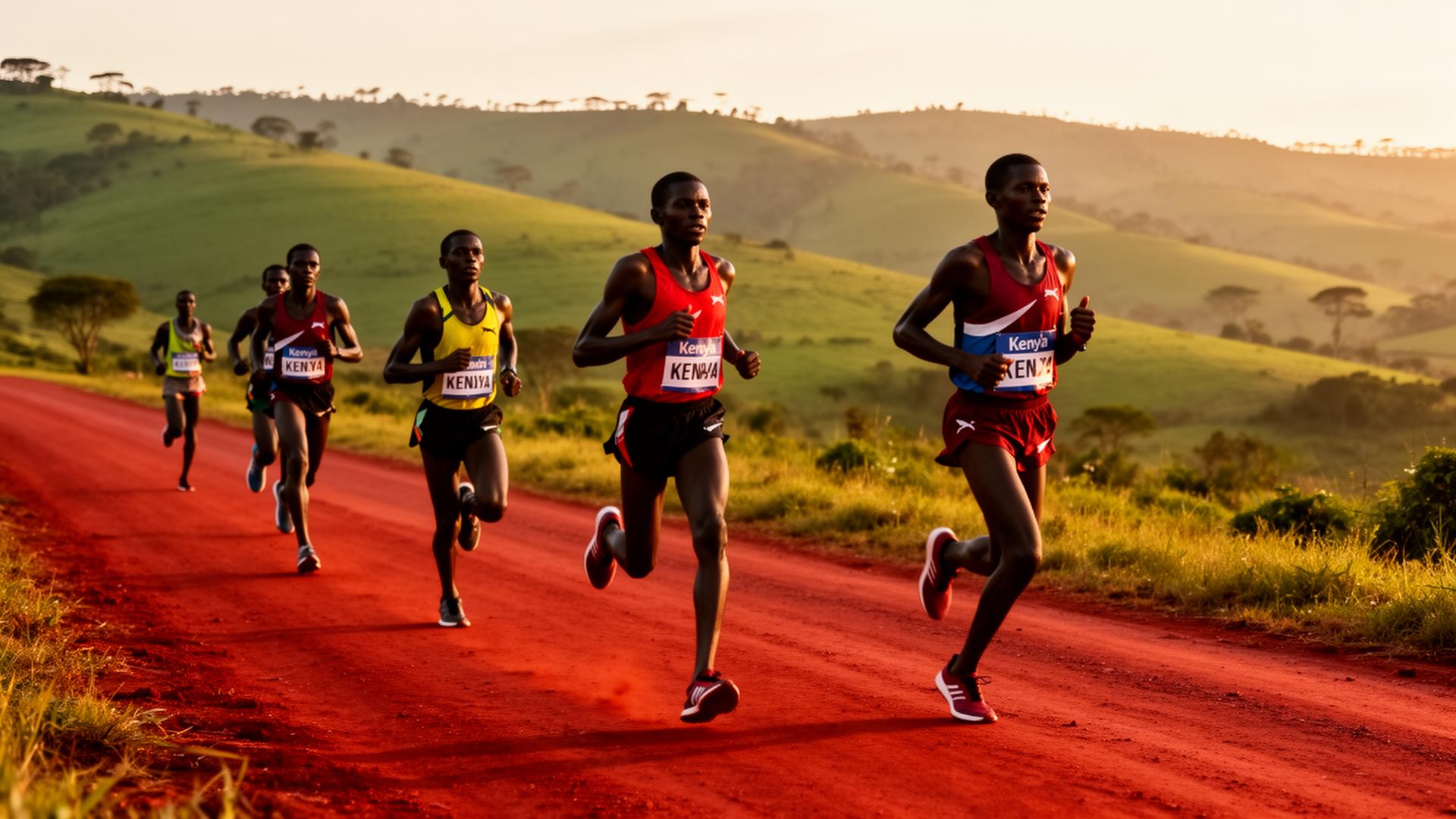
Kenya is one of the world's most famous endurance training environments. From Iten to Eldoret, Ngong, Limuru and Nairobi, athletes train at elevations that challenge the body and shape performance.
Nairobi sits at roughly 1,795 meters above sea level — high enough for many visitors to feel a difference in breathing, training intensity and recovery demand.
Why altitude changes training
Air still contains ~21% oxygen at altitude, but lower air pressure means each breath delivers less oxygen pressure to the body. Common effects: higher breathing and heart rate at similar effort, reduced ability to sustain sea-level pace, higher perceived effort, slower early recovery and greater hydration needs.
Why athletes train at altitude
Over time, altitude exposure may stimulate increased red blood cell production, improved oxygen transport, changes in muscle efficiency, improved buffering capacity, mental toughness and stronger pacing discipline. The classic idea is "live high, train low" — though many Kenyan athletes live and train high because the environment is daily life.
Altitude is not magic
If recovery is poor, altitude becomes a burden instead of a benefit. Athletes need sleep, hydration, nutrition, easy days, mobility, recovery tools and stress management — which is where sauna, cold plunge and contrast therapy fit.
Cold plunge for altitude athletes
Cold plunge can support post-training soreness, heavy legs, perceived recovery, cooling after hot sessions, mental reset and recovery routines after long runs or rides. Avoid very cold immersion immediately after strength sessions if hypertrophy is the priority.
Sauna for altitude athletes
Sauna may support relaxation, sleep, cardiovascular heat adaptation, muscle relaxation and recovery rituals. Heat exposure raises heart rate as the body works to cool — a passive cardiovascular stimulus that can complement recovery.
Practical athlete protocols
After a hard endurance session: cool down, hydrate, cold plunge 2–5 minutes, optional sauna later. Recovery day: sauna 10–20 min, cold plunge 1–3 min, repeat 2 rounds. End cold for alertness or warm for relaxation. For teams: schedule group recovery, supervise new users, keep hygiene and filtration serious.
Nairobi advantage
High-altitude environment, large running and gym culture, growing Hyrox-style training scene, climate that supports outdoor wellness, and growing demand for premium recovery — a strong opportunity for gyms, clubs, hotels, spas, retreats and Airbnbs.
Recovery is part of performance
Cold plunge, sauna and contrast therapy are not shortcuts. They are recovery systems that help athletes repeat good training consistently. Explore the ice bath system, sauna tents, and business setups for teams.
Training at altitude in Kenya?
WhatsApp NiceBaths Kenya to set up ice baths, sauna tents or contrast therapy for your team, gym, lodge or recovery space.
For businesses → →Frequently asked questions
Does cold plunge help at altitude?+
Cold plunge can support recovery after hard sessions and reduce perceived soreness, supporting consistent training at altitude.
Sauna or cold first?+
Most contrast protocols start with sauna and finish based on the goal — cold for alertness, warm for relaxation.
References
- Levine BD, Stray-Gundersen J. Living high-training low: effect of moderate-altitude acclimatization with low-altitude training on performance. Journal of Applied Physiology, 1997.
- Wehrlin JP et al. Live high–train high increases hemoglobin mass in Swiss national-team endurance athletes. European Journal of Applied Physiology.
- Gore CJ et al. Reviews on altitude training adaptations and endurance performance.
- Chapman RF et al. Individual response variation to altitude training.
- Millet GP et al. Altitude training and hypoxic exposure reviews.
- Bleakley CM et al. Cold-water immersion for muscle soreness recovery — Cochrane review, 2012.
Not sure where to start?
Unsure which setup is right for you?
Take the 60-second recovery quiz for a personalized plan.
Take the 60-second recovery quiz →Talk to NiceBaths
Questions about “Altitude Training in Kenya: Why Nairobi, Iten and the Highlands Make Recovery Even More Important”?
Message us on WhatsApp — your note is pre-filled with a reference to this article so we can help you faster.
WhatsApp NiceBaths about this article